

UK Education System: Common Mistakes Parents Make in 2026
The UK education system is one of the most advanced academic systems globally. Many Indian families moving to the UK search for clarity about school years in UK, GCSE explained, A Levels meaning, and the difference between the CBSE vs UK curriculum. Understanding the structure early helps parents make better educational decisions for their children.
Students shifting from India often need support in adapting to practical learning, analytical thinking, and independent study methods. This is where expert academic mentoring from Satish Science Academy (SSA) becomes valuable for long-term success.
Overview of the UK Education System
| Education Stage | Age Group | Key Stage |
|---|---|---|
| Primary School | 5–11 Years | KS1 & KS2 |
| Secondary School | 11–16 Years | KS3 & KS4 |
| GCSE | 14–16 Years | Year 10–11 |
| A Levels | 16–18 Years | Year 12–13 |
Key Highlights
- Focus on conceptual learning
- Strong emphasis on Maths & Science
- Application-based education
- Communication and creativity development
- Global university recognition
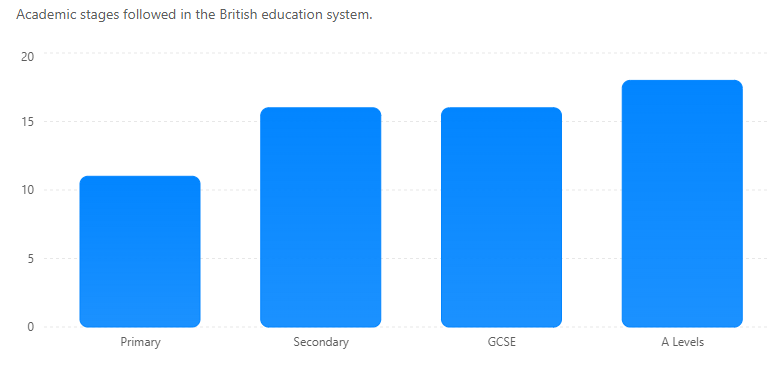
Common Mistakes Indian Parents Make in Admission to UK school
Choosing Schools Only Based on Rankings
Many Indian parents select schools purely based on rankings without understanding whether the teaching style, student environment, and academic support actually suit their child. A highly ranked school may not always be the best fit for every student’s learning pace and personality.
Not Understanding the UK School Structure Properly
Parents often apply for admissions without fully understanding Key Stages, year groups, GCSE pathways, and A Levels. Confusion about the UK education system can lead to incorrect school selection and unnecessary academic pressure on students.
Applying Too Late for School Admissions
One of the biggest mistakes families make after moving to Britain is delaying the admission process. Many good schools have limited seats and long waiting lists, especially in popular areas. Early planning improves the chances of getting preferred schools.
Ignoring Catchment Area Rules
In the UK, school admissions are often linked to residential catchment areas. Many parents finalize housing without checking nearby school eligibility rules, which later creates admission difficulties and travel-related stress for students.
Comparing UK Schools Directly with CBSE Schools
The British education system is very different from the Indian system. UK schools focus more on practical learning, projects, communication, and independent thinking rather than memorization. Unrealistic expectations can make adaptation difficult for children.
Not Preparing Students for Classroom Communication
Indian students may initially struggle with classroom discussions, presentations, and interaction-based learning. Parents who focus only on academics often overlook the importance of communication confidence and social adjustment in UK schools.
Ignoring GCSE and Subject Planning Early
Many parents do not understand the long-term impact of GCSE subject selection. Choosing the wrong subject combination can affect future A Level options and university pathways. Proper academic
Primary School in UK
A primary school in UK develops foundational academic skills in young learners. The UK primary curriculum focuses heavily on communication, numerical ability, reading comprehension, and creativity rather than rote memorization.
Indian parents often notice that UK schools encourage interactive learning and classroom participation from an early age.
Key Stage 1 Explained
The KS1 curriculum generally covers students aged 5–7 years.
Subjects Included
- English
- Basic Mathematics
- Reading Skills
- Science Basics
- Phonics
- Creative Learning
Benefits of KS1 Learning
- Improves communication
- Builds confidence
- Strengthens basic concepts
- Encourages logical thinking
Key Stage 2 Explained
The KS2 curriculum introduces deeper conceptual learning and problem-solving skills. Students begin working on structured assignments and analytical questions.
Important Learning Areas
- Advanced arithmetic
- Science concepts
- Reading comprehension
- Logical reasoning
- Presentation skills
Common Parent Concerns
- Weak Maths concepts
- Science understanding
- Homework pressure
- Learning speed
SSA supports primary students through:
- Personalized learning
- Online interactive sessions
- Concept clarity methods
- Regular progress tracking
Secondary School UK Explained
The secondary school UK stage prepares students for future specialization and board examinations. The UK secondary curriculum focuses strongly on independent learning and subject depth.
Students transitioning from India often require support in adapting to:
- Application-based questions
- Classroom discussions
- Research assignments
- Practical learning approaches
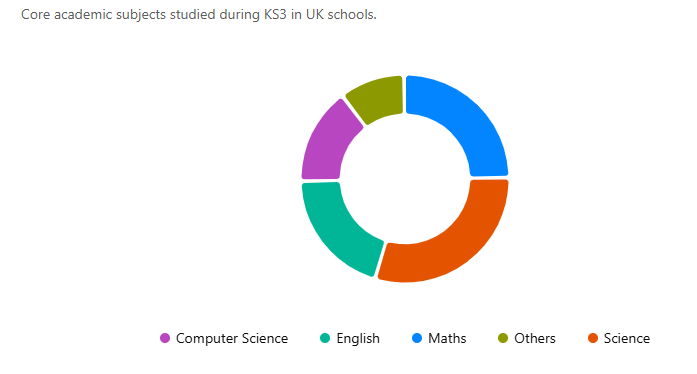
Key Stage 3 Explained
KS3 Subjects
- Mathematics
- Physics
- Chemistry
- Biology
- English
- Geography
- Computer Science
Skills Developed in KS3
- Analytical thinking
- Time management
- Problem solving
- Scientific reasoning
GCSE Explained
One of the most searched topics among Indian parents is GCSE explained. The GCSE meaning stands for General Certificate of Secondary Education.
Students appear for GCSE examinations during Year 10 and Year 11. These exams are extremely important for university admissions and future career opportunities.
GCSE Subjects
Popular GCSE Subjects
- GCSE Maths
- GCSE Science
- English
- Business Studies
- Computer Science
GCSE Grading System
| Grade | Meaning |
|---|---|
| 9 | Outstanding |
| 7–8 | Excellent |
| 5–6 | Strong Pass |
| 4 | Standard Pass |
| Below 4 | Improvement Needed |
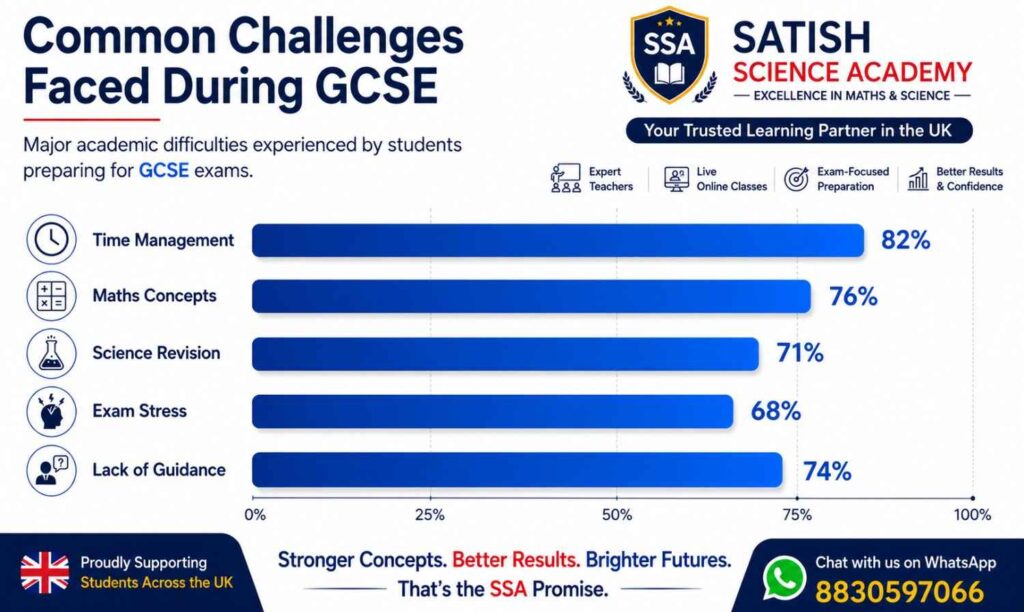
Why Students Struggle in GCSE
- Time management
- Concept application
- Revision planning
- Exam pressure
SSA GCSE Support
- Weekly mock tests
- Revision planning
- Personal mentoring
- Doubt-solving sessions
- Interactive online classes
A Levels Meaning Explained
The A Levels meaning refers to advanced subject specialization after GCSE. Students usually choose 3–4 subjects based on future career goals.
A Levels are highly important for:
- Engineering admissions
- Medical pathways
- STEM careers
- University applications
Popular A Level Subjects
- Mathematics
- Physics
- Chemistry
- Biology
- Economics
Difference Between GCSE and A Levels
| GCSE | A Levels |
|---|---|
| Foundation Learning | Advanced Learning |
| Multiple Subjects | Specialized Subjects |
| Basic Concepts | Career-Oriented Concepts |
| Year 10–11 | Year 12–13 |
Why SSA is Preferred for A Levels
- Expert Maths faculty
- Advanced Science coaching
- Personalized doubt-solving
- Exam-oriented preparation
- Performance monitoring
CBSE vs UK Curriculum
Many parents compare the CBSE vs UK curriculum before shifting their children to UK schools.
The biggest difference is that UK schools focus more on conceptual and application-based learning, while CBSE is traditionally theory-focused.
Major Differences
| CBSE Curriculum | UK Curriculum |
|---|---|
| Memorization-Based | Analytical Learning |
| Theory Focused | Practical Approach |
| Fixed Learning Pattern | Flexible Learning |
| Exam-Centric | Skill-Centric |
Challenges Faced by Indian Students
- Communication confidence
- Independent study habits
- Presentation skills
- Application-based questions
SSA helps bridge this academic gap through:
- Personalized mentoring
- UK curriculum-focused coaching
- Regular assessments
- Confidence-building sessions
Importance of Online Tutoring UK
The demand for online tutoring UK has increased rapidly among parents looking for personalized academic support.
Students preparing for:
- KS2
- KS3
- GCSE
- A Levels
often benefit from structured online mentoring and flexible learning support.
Benefits of Online Coaching
Academic Benefits
- Better concept clarity
- Flexible timing
- Individual attention
- Faster doubt-solving
Parent Benefits
- Performance tracking
- Safe home learning
- Affordable learning support
- Progress monitoring
Why Parents Trust Satish Science Academy (SSA)
Satish Science Academy (SSA) is becoming a preferred academic support platform for Indian families in the UK due to its strong focus on Maths and Science excellence.
SSA combines:
- Expert faculty
- Interactive online learning
- Performance analytics
- Personalized mentorship
- UK curriculum alignment
Key Features of SSA
Academic Excellence
- GCSE Maths preparation
- Science coaching
- A Level support
- Conceptual teaching methods
Student-Centric Learning
- One-to-one guidance
- Small batch attention
- Regular assignments
- Weekly tests
Parent Trust Factors
- Transparent progress reports
- Dedicated mentor support
- Exam-focused strategy
- Long-term academic planning
Best Study Techniques for UK Students
Students searching for effective study methods should focus on consistent and smart learning rather than memorization.
Most Effective Study Methods
Recommended Techniques
- Active recall
- Spaced repetition
- Practice paper solving
- Revision timetables
- Concept-based learning
Benefits
- Better memory retention
- Faster revision
- Improved confidence
- Higher exam scores
SSA integrates these modern study techniques into every classroom and online learning session.
Future Career Opportunities in UK Education
The UK education system prepares students for globally recognized careers. Strong performance in GCSE and A Levels creates pathways toward top universities and STEM careers.
High-Growth Career Fields
- Artificial Intelligence
- Engineering
- Medicine
- Data Science
- Finance
- Research
FAQs
What is the UK education system?
The UK education system is divided into primary, secondary, GCSE, and A Level stages. It focuses on conceptual understanding, creativity, communication, and practical learning.
What is GCSE?
GCSE stands for General Certificate of Secondary Education. Students usually appear for GCSE exams in Year 10 and Year 11.
What are A Levels?
A Levels are advanced subject-based qualifications studied after GCSE. They help students prepare for university admissions and career specialization.
What is the difference between CBSE and UK curriculum?
The CBSE vs UK curriculum comparison shows that CBSE focuses more on theory and memorization, while the UK curriculum emphasizes analytical thinking and application-based learning.
Why do Indian students need extra academic support in UK schools?
Indian students may initially struggle with:
- Independent learning
- Communication confidence
- Application-based questions
- Research assignments
Personalized coaching helps students adapt faster.
Is online tutoring effective for GCSE preparation?
Yes. Online tutoring improves:
- Concept clarity
- Revision quality
- Time management
- Problem-solving skills
SSA provides structured online coaching for GCSE Maths and Science.
Why is Satish Science Academy trusted by parents?
Parents trust Satish Science Academy (SSA) because of:
- Experienced faculty
- Personalized mentoring
- Strong Maths & Science coaching
- Regular progress tracking
- Interactive online learning support