

Tables 1 to 20 :Multiplication Tables Chart, PDF & Easy Tricks
Tables 1 to 20 form the backbone of a child’s mathematical journey and play a vital role in building strong numerical understanding from an early age. When students learn tables 1 to 20 properly, they develop confidence in handling numbers, solving calculations quickly, and understanding mathematical patterns naturally. In primary classes, especially from Class 1 to Class 5, tables 1 to 20 are introduced as a core learning requirement because they support almost every topic in mathematics, including addition, subtraction, multiplication, and division. Without a clear command over tables 1 to 20, students often struggle with basic problem-solving and lose interest in maths.
Learning tables 1 to 20 is not only about memorization but also about developing logical thinking. When children repeatedly practice tables 1 to 20, their brain starts recognizing number sequences and multiplication patterns. This mental familiarity helps them solve sums faster during exams and daily practice. Tables 1 to 20 also reduce dependency on calculators and fingers, which is extremely important for mental maths development. A child who is fluent in tables 1 to 20 can focus more on understanding questions rather than wasting time on calculations.
Parents and teachers play an important role in introducing tables 1 to 20 in a stress-free and engaging way. Instead of forcing children to memorize, learning should be gradual, consistent, and enjoyable. When tables 1 to 20 are taught with proper explanation, daily revision, and real-life examples, students find maths less scary and more interesting. This strong foundation built using tables 1 to 20 continues to benefit students in higher classes, competitive exams, and even in daily life calculations.
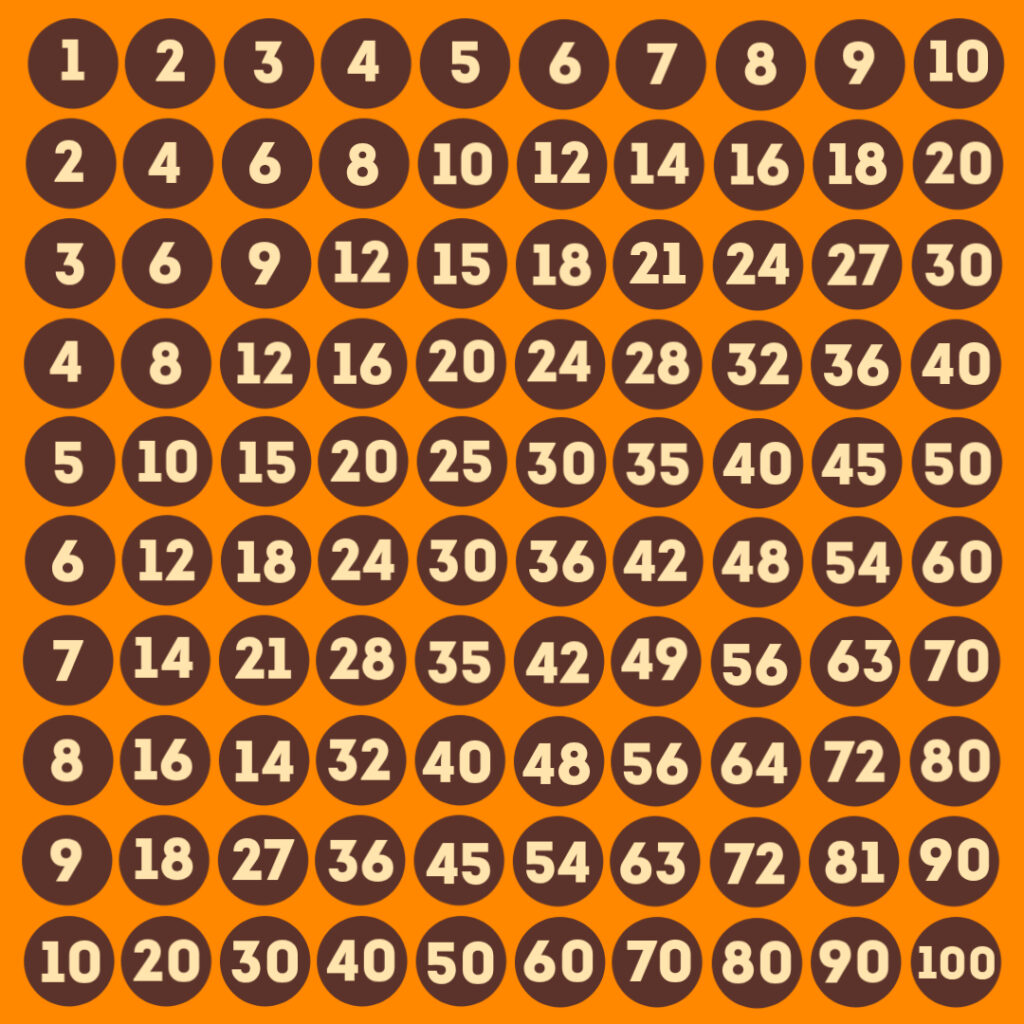
2. Meaning of Multiplication Tables 1 to 20
Multiplication tables 1 to 20 are systematic lists of numbers obtained by multiplying a given number with natural numbers, usually from 1 to 10. In simple words, tables 1 to 20 show how a number increases when multiplied repeatedly. For example, the table of 2 shows how adding 2 again and again gives results like 2, 4, 6, 8, and so on. This repeated addition concept makes tables 1 to 20 easier to understand for beginners.
Understanding the meaning of tables 1 to 20 is extremely important because it helps students visualize multiplication instead of memorizing blindly. When children understand that tables 1 to 20 represent groups of equal numbers, they begin to see multiplication as a logical process. This clarity helps them apply tables 1 to 20 confidently in word problems, story sums, and practical situations like counting objects, sharing items, or calculating total quantities.
Tables 1 to 20 are a fundamental part of all major education boards such as CBSE, ICSE, and State Boards. These boards expect students to be fluent in tables 1 to 20 by the end of primary school. The reason is simple: higher-level maths topics like fractions, decimals, ratios, percentages, algebra, and even geometry calculations heavily depend on tables 1 to 20. Without understanding tables, students often find advanced maths confusing.
When students clearly understand what tables 1 to 20 represent, they stop treating maths as a memorization subject and start enjoying the logic behind numbers. This conceptual clarity builds confidence and reduces maths anxiety, which is common among young learners.
3. Educational Benefits of Learning Tables 1 to 20
Learning tables 1 to 20 offers multiple educational benefits that go far beyond simple multiplication. One of the biggest advantages of mastering tables 1 to 20 is the improvement in mental calculation speed. Students who regularly practice tables 1 to 20 can solve sums faster and more accurately, which helps them manage time efficiently during exams.
Tables 1 to 20 also strengthen problem-solving skills. Many word problems require quick multiplication, and students who know tables 1 to 20 well can focus on understanding the question rather than struggling with calculations. This leads to better performance not only in school exams but also in competitive exams that test speed and accuracy.
Another important benefit of tables 1 to 20 is the boost in confidence they provide. When children are confident with numbers, they participate more actively in class, attempt questions without fear, and develop a positive attitude toward maths. This confidence gradually reflects in other subjects as well, improving overall academic performance.
Tables 1 to 20 also support learning in subjects like science, where calculations involving measurements, formulas, and data handling are common. From calculating speed and distance to understanding graphs and tables, tables 1 to 20 play a silent but powerful role. Regular practice of tables 1 to 20 helps students build concentration, memory power, and numerical discipline, which are essential skills for lifelong learning.
4. Tables 1 to 20 Chart for Easy Understanding
A tables 1 to 20 chart is one of the most effective tools for helping children learn multiplication visually. Visual learning makes it easier for young students to remember and recall information. When tables 1 to 20 are presented in a colorful, well-organized chart, children can easily observe number patterns and relationships between multiples.
Using a table 1 to 20 chart helps students identify repeated sequences, skip counting patterns, and logical progressions. For example, students can quickly notice how even numbers appear in the table of 2 or how the digits repeat in the table of 9. This pattern-based learning strengthens understanding and reduces the burden of rote memorization.
Table 1 to 20 charts are especially useful for daily revision. Placing the chart near a study table or classroom wall allows students to revise tables subconsciously while studying other subjects. Teachers often use tables 1 to 20 charts as teaching aids during classroom explanations, making learning interactive and engaging.
Parents can also use table 1 to 20 charts at home to create quick oral practice sessions. Asking children to read tables aloud from the chart improves pronunciation, confidence, and memory retention. Over time, students rely less on the chart and start recalling table 1 to 20 naturally. This gradual independence is the key goal of using visual aids in maths learning.
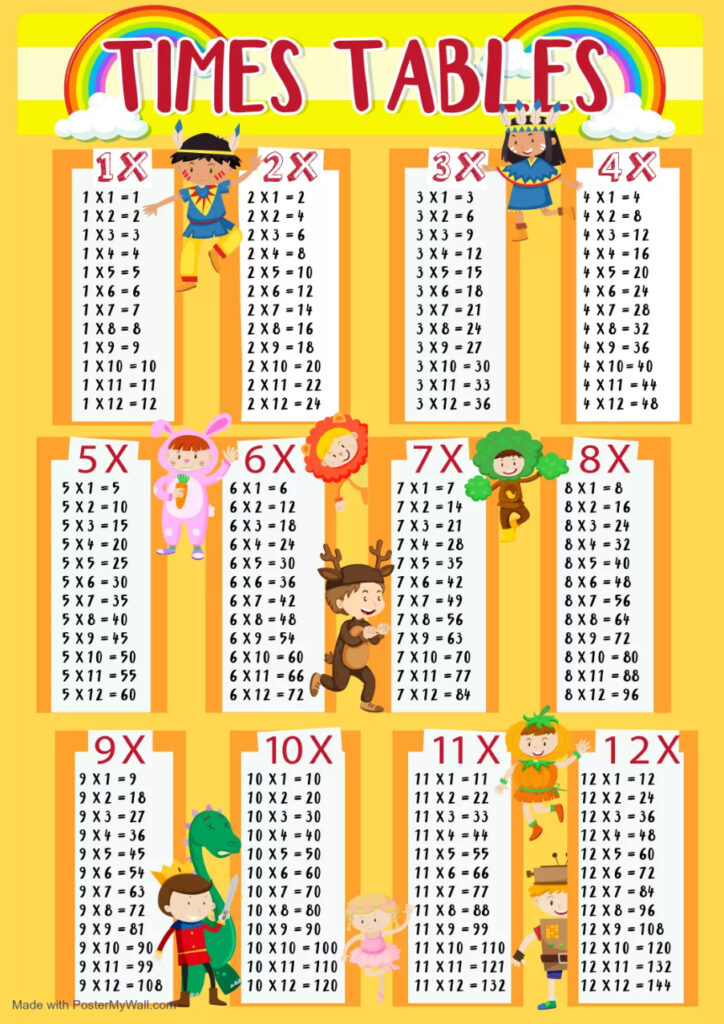
5. Tables 1 to 10 for Beginners
Table 1 to 10 act as the first and most important step in mastering table 1 to 20. For beginners, especially students in early primary classes, learning tables 1 to 10 creates a strong numerical foundation. These tables are simpler, repetitive, and easy to understand, which makes them ideal for introducing the concept of multiplication. When children start learning table 1 to 20, beginning with tables 1 to 10 helps them build confidence and familiarity with number patterns.
Table 1 to 10 are closely connected to daily counting and addition, which children already know. For example, tables of 1 and 2 feel natural because they are based on counting and doubling. As students practice table 1 to 10 regularly, they start recognizing patterns such as even numbers in table 2, multiples of 5 ending with 0 or 5, and the consistent structure of table 10. These patterns make learning tables 1 to 20 less overwhelming.
Another major advantage of mastering tables 1 to 10 first is that they act as building blocks for higher tables. Table 11 to 20 often involve combinations and extensions of tables 1 to 10. If a student is confident with tables 1 to 10, learning table 1 to 20 becomes faster and easier. Teachers and parents should ensure that children can recall table 1 to 10 fluently before moving ahead, as this step-by-step approach prevents confusion and builds long-term retention of tables 1 to 20.
6. Tables 11 to 20 for Advanced Practice
Once students are comfortable with tables 1 to 10, the next stage in mastering table 1 to 20 is learning table 11 to 20. These tables are often considered challenging because the numbers are larger, but with the right approach, they become easy and logical. Table 11 to 20 play a crucial role in improving calculation speed and preparing students for higher-level maths topics.
Table 11 to 20 help students handle bigger numbers confidently. They strengthen multiplication skills that are essential for solving complex word problems, fractions, and division sums. When students practice tables 1 to 20 regularly, including table 11 to 20, their mental maths ability improves significantly. This is especially helpful during exams, where speed and accuracy matter the most.
Learning table 11 to 20 also teaches students how to apply logic instead of rote memorization. Many higher tables can be learned using patterns, breakdown methods, or combinations of smaller tables. When students understand these techniques, tables 1 to 20 no longer feel difficult or boring. With consistent practice and revision, table 11 to 20 become as familiar as table 1 to 10, completing the full learning cycle of table 1 to 20.
7. Complete Tables 1 to 20 Explained Number-Wise
Understanding table 1 to 20 number-wise helps students learn multiplication in an organized and systematic manner. Each table has its own pattern and logic, and when table 1 to 20 are learned step by step, students can easily remember and apply them. Starting from table of 1, which introduces the concept of repetition, to table of 20, which strengthens confidence with larger numbers, every table plays an important role.
Learning table 1 to 20 individually allows students to focus on one number at a time. This method reduces confusion and improves clarity. For example, tables like 3, 6, and 9 help students understand multiplication patterns, while tables like 5 and 10 reinforce number sense through predictable endings. Table 1 to 20 together create a complete multiplication system that supports almost every maths calculation in school.
When students revise table 1 to 20 number-wise on a daily basis, their recall becomes faster and more accurate. Teachers often recommend reciting tables aloud, writing them regularly, and applying them in sums. This approach ensures that table 1 to 20 are not forgotten easily and remain useful throughout academic life. A strong command over table 1 to 20 helps students progress smoothly into middle school and beyond.
8. Easy Tricks to Learn Tables 1 to 20
Learning table 1 to 20 becomes much easier when simple tricks and smart techniques are used. Tricks reduce the pressure of memorization and make learning enjoyable. For example, the finger trick for table of 9 is widely used because it helps children get answers quickly without confusion. Such methods encourage students to understand table 1 to 20 logically rather than memorizing blindly.
Pattern recognition is another powerful trick for mastering table 1 to 20. When students observe patterns like repeated digits, skip counting, or number sequences, they start remembering tables naturally. Rhymes, stories, and rhythm-based learning also help younger students retain table 1 to 20 for a longer time. These fun techniques keep children engaged and motivated.
Daily repetition is one of the most effective tricks for remembering table 1 to 20. Even five to ten minutes of regular practice can make a big difference. Mixing oral practice, written work, and mental recall ensures complete mastery. When tricks are combined with consistent practice, table 1 to 20 become easy, enjoyable, and stress-free for students of all learning levels.
9. Tables 1 to 20 for Kids Using Fun Learning Methods
Fun learning methods play a key role in helping children master table 1 to 20 without fear or boredom. Kids learn better when lessons are interactive and engaging. Games, flashcards, puzzles, and activities transform table 1 to 20 into an enjoyable learning experience. When learning feels like play, children participate willingly and retain information for longer periods.
Using songs and animated videos to teach table 1 to 20 is highly effective for young learners. Music and visuals help children remember multiplication patterns effortlessly. Many teachers and parents use storytelling methods where table 1 to 20 are linked with real-life examples, making concepts relatable and easy to understand.
A short daily routine using fun learning techniques can create a strong habit of revision. Even a 5-minute playful session every day helps children gain confidence in table 1 to 20. Over time, students stop seeing tables as difficult and start enjoying maths. This positive learning experience builds a lifelong interest in mathematics and academic success.
11. Common Mistakes While Learning Tables 1 to 20
Many students struggle with tables 1 to 20 not because they are difficult, but because of common learning mistakes. One frequent mistake is memorizing tables 1 to 20 without understanding the logic behind multiplication. When students only rote-learn tables, they tend to forget them quickly or get confused during exams. Understanding patterns and repeated addition is essential for long-term retention.
Another common mistake is irregular practice. Tables 1 to 20 require daily revision, especially in the early stages. Students who practice tables occasionally often forget them easily. Skipping revision or focusing only on easy tables creates gaps in learning. Confusing similar tables, such as 6 and 9 or 7 and 8, is also common when practice is not systematic.
Parents and teachers sometimes expect children to learn tables 1 to 20 too quickly, which creates pressure and fear. Learning should be gradual and age-appropriate. Correcting mistakes early, encouraging oral practice, and revising weak tables regularly helps avoid long-term problems. When these common mistakes are addressed, mastering tables 1 to 20 becomes much easier and stress-free.
12. Role of Tables 1 to 20 in Exams
Table 1 to 20 play a crucial role in academic performance, especially during school exams and competitive tests. Many mathematics questions directly or indirectly depend on multiplication. Students who have strong command over tables 1 to 20 can solve sums faster, saving valuable exam time. This speed advantage often leads to better accuracy and higher scores.
Word problems, which are a major part of maths exams, heavily rely on tables 1 to 20. Whether it is calculating total quantities, solving fractions, or working with measurements, tables are always involved. Students who hesitate or calculate slowly due to weak tables often make mistakes or leave questions unanswered.
Table 1 to 20 are also important for competitive exams and Olympiads, where mental maths speed is tested. A student fluent in tables 1 to 20 gains confidence and performs calculations mentally without panic. Over time, this confidence improves overall exam performance and reduces maths-related stress.
13. Daily Practice Plan to Master Tables 1 to 20
A well-structured daily practice plan is the key to mastering table 1 to 20. Instead of trying to learn all tables at once, students should follow a step-by-step routine. Learning two new tables daily and revising old ones creates balance and prevents overload. Consistency matters more than long study hours when it comes to table 1 to 20.
A simple daily routine may include oral recitation, written practice, and quick mental recall. For example, students can recite tables aloud in the morning, write them in the afternoon, and revise mentally before sleeping. This repetition strengthens memory and recall. Weekly revision of all table 1 to 20 ensures that no table is forgotten.
Parents can support children by conducting short oral tests and appreciating improvement. Teachers can schedule weekly table quizzes to reinforce learning. With a disciplined daily practice plan, tables 1 to 20 become permanent knowledge rather than short-term memory.
FAQ: Table 1 to 20
What are tables 1 to 20 in maths?
Table 1 to 20 are multiplication tables that show repeated multiplication of numbers from 1 to 20. They help students understand number patterns, perform quick calculations, and build a strong foundation in mathematics from an early age.
Why are table 1 to 20 important for students?
Table 1 to 20 are important because they improve calculation speed, accuracy, and confidence. They are used in almost every maths topic, including division, fractions, word problems, and higher-level calculations.
At what age should children learn tables 1 to 20?
Children usually start learning table 1 to 20 between the ages of 5 and 8. Learning begins with smaller tables and gradually progresses as the child’s understanding and memory improve.
How can kids easily memorize tables 1 to 20?
Kids can memorize table 1 to 20 easily by practicing daily, using charts, learning patterns, reciting tables aloud, and using fun methods like songs, games, and flashcards.
How long does it take to learn tables 1 to 20?
The time required to learn table 1 to 20 depends on practice consistency. With daily revision, most students can master tables 1 to 20 within 2 to 4 weeks.
Which is the hardest table in tables 1 to 20?
Many students find table like 7, 8, or 9 harder while learning tables 1 to 20. However, with regular practice and pattern-based learning, these tables become easy to remember.
Are tables 1 to 20 enough for primary classes?
Yes, table 1 to 20 are sufficient for primary classes as they cover all basic multiplication needs required in early maths education and exam preparation.
How can parents help children learn tables 1 to 20 at home?
Parents can help children learn tables 1 to 20 by setting a daily practice routine, using charts, conducting oral tests, and encouraging learning through games and activities.
Are tables 1 to 20 required for competitive exams?
Yes, table 1 to 20 are essential for competitive exams as they improve mental maths speed, accuracy, and confidence during time-based tests.
What is the best way to practice tables 1 to 20 daily?
The best way to practice tables 1 to 20 daily is by combining oral recitation, written practice, and quick mental revision for at least 10 to 15 minutes every day.
Can tables 1 to 20 be learned without rote memorization?
Yes, table 1 to 20 can be learned without rote memorization by understanding patterns, repeated addition, and logical relationships between numbers.
How do tables 1 to 20 help in word problems?
Tables 1 to 20 help students solve word problems quickly by allowing them to perform multiplication and division accurately without wasting time on calculations.
Is learning tables 1 to 20 useful in real life?
Learning tables 1 to 20 is useful in real life for quick calculations involving shopping, measurements, budgeting, and everyday problem-solving.
What are the best tools to learn tables 1 to 20?
The best tools to learn tables 1 to 20 include multiplication charts, printable worksheets, mobile apps, videos, flashcards, and daily practice schedules.
Can students forget tables 1 to 20 if they stop practicing?
Yes, students may forget tables 1 to 20 if they stop practicing regularly. Continuous revision helps retain tables for long-term memory.