
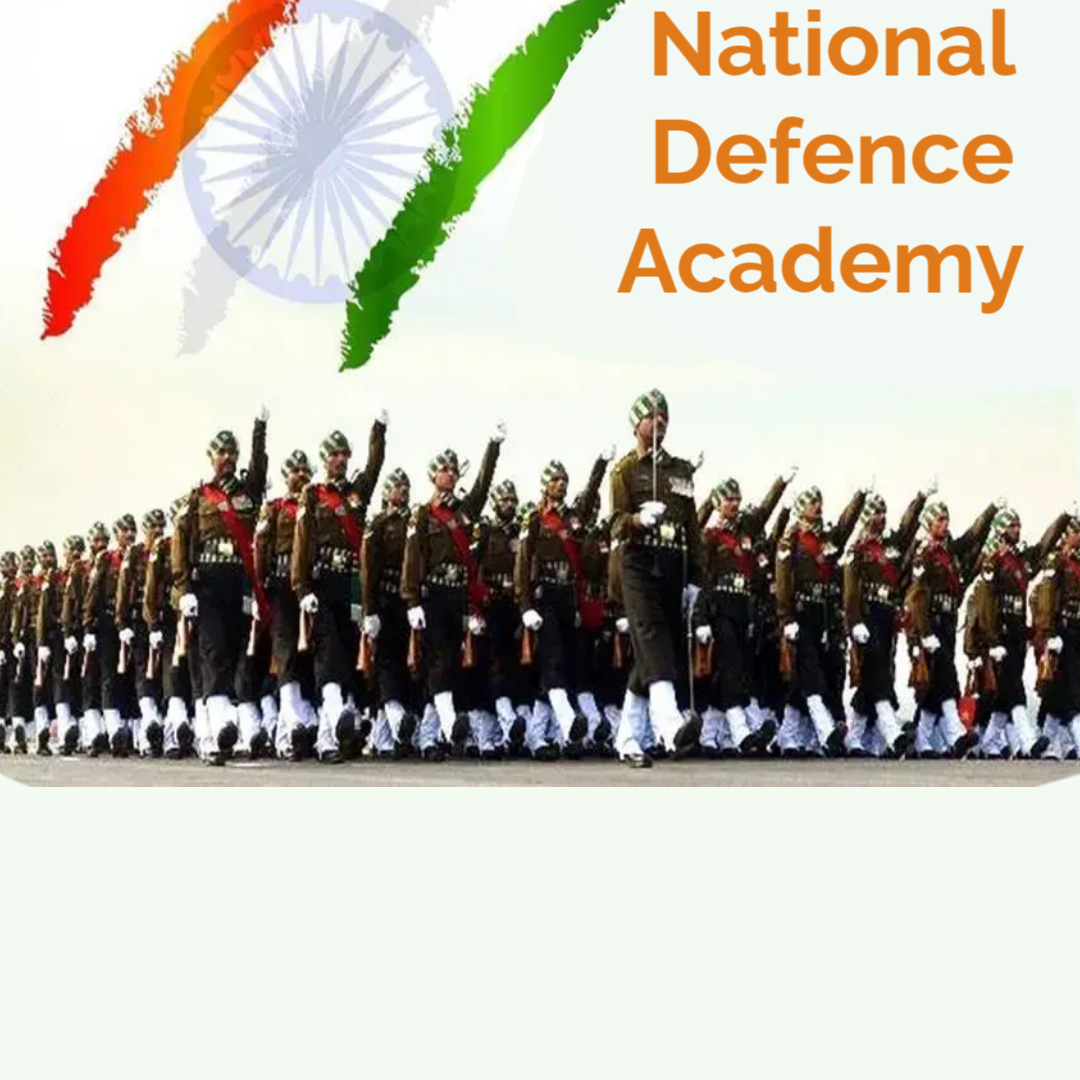
National Defence Academy Exam: NDA Examination, Syllabus, Preparation Guide
1. Introduction to National Defence Academy Exam
The National Defence Academy Exam is one of the most prestigious and sought-after examinations for young aspirants aiming to serve in India’s Army, Navy, or Air Force. Conducted twice a year by the Union Public Service Commission (UPSC), this examination serves as a gateway to the world-famous National Defence Academy, located in Pune. Every year, thousands of candidates compete for limited seats, making it a highly competitive test.
The significance of the National Defence Academy Examination goes beyond academics. It tests an aspirant’s mental, physical, and psychological capabilities, preparing them to become future officers of the Indian Armed Forces. Unlike regular exams, the NDA exam combines written tests with physical and psychological assessments, ensuring only the most capable candidates are selected.
Historically, the National Defense Academy Exam has produced some of India’s finest military leaders, known for their discipline, leadership, and commitment to the nation. Candidates appearing for this exam are not just studying for a test; they are preparing to take up a lifelong responsibility of protecting the country.
The exam is divided into written tests and subsequent Service Selection Board (SSB) interviews. Aspirants must excel in mathematics, general knowledge, English, and reasoning while also meeting strict physical and medical standards. The comprehensive nature of the National Defence Academy Examination ensures that selected candidates are well-rounded, disciplined, and ready for the rigorous training that lies ahead.
By understanding the structure, importance, and scope of the National Defence Academy Exam, aspirants can plan their preparation effectively. The journey starts here, with a commitment to excellence and the aspiration to serve the nation.
2. Eligibility Criteria for NDA Exam
The first step in preparing for the national defence academy exam is understanding eligibility criteria. Candidates must meet specific educational, age, nationality, and physical requirements to qualify for this prestigious examination.
Educationally, candidates applying for the NDA exam must have completed 12th grade or equivalent. Mathematics and Physics are essential for candidates aiming for the Air Force or Navy wings. Those aspiring for the Army wing can apply with any 12th grade qualification recognized by the government.
Age is another critical factor. For NDA I, candidates must be between 16½ and 19½ years, and for NDA II, the same age criteria apply with a specific cut-off date mentioned in the official notification. Candidates must also be Indian citizens or subjects of Nepal/Bhutan, and certain categories of overseas candidates are eligible under special provisions.
Physical and medical standards are rigorous. Candidates must meet height, weight, vision, and medical criteria. For example, vision standards vary depending on the wing of service. Any deviation can lead to disqualification during medical examination.
Women candidates currently have limited eligibility for certain wings but ongoing reforms may expand opportunities. Candidates must also demonstrate moral character and not have any criminal record.
Meeting eligibility criteria is essential to avoid disqualification during the application process. Aspiring candidates should thoroughly check official UPSC notifications to ensure compliance with all conditions for the National Defence Academy Examination.
3. NDA Exam Pattern and Syllabus
A clear understanding of the national defence academy exam pattern is vital for effective preparation. The NDA exam comprises two sections: Mathematics and General Ability Test (GAT). Mathematics is of 300 marks, testing topics such as algebra, calculus, trigonometry, statistics, and geometry.
The General Ability Test (GAT) carries 600 marks and is divided into two parts: English and General Knowledge. English tests vocabulary, grammar, and comprehension skills, while General Knowledge covers Physics, Chemistry, History, Geography, and Current Affairs. The National Defence Academy Examination syllabus is designed to evaluate both academic knowledge and awareness of the world.
The exam is objective in nature, with multiple-choice questions. Each incorrect answer carries negative marking, making accuracy crucial. The written test lasts five hours, with Mathematics for two and a half hours and GAT for the remaining duration.
Candidates are required to qualify in each section separately. The scores are then combined with the results of the Service Selection Board (SSB) interview and medical examination to create the final merit list.
Understanding the syllabus allows aspirants to create a structured study plan. Mathematics requires daily practice, while General Knowledge demands continuous reading and awareness of current events. A thorough grasp of the national defense academy exam syllabus ensures candidates are well-prepared to tackle both sections effectively.
4. NDA Application Process
The application process for the National Defence Academy Exam is conducted online through the official UPSC portal. Candidates must carefully follow steps to submit their applications accurately.
First, candidates must register online by creating a profile, entering personal details, educational qualifications, and uploading required documents such as photographs and signatures. The application form must be completed within the deadlines mentioned in the official notification.
After filling out the form, candidates must pay the application fee through online modes like net banking, credit/debit cards, or e-challan. Once submitted, the application cannot be modified, so accuracy is crucial.
The national defence academy examination has specific schedules for NDA I and NDA II. Aspirants should keep track of dates for application start, submission, admit card release, and exam day. Late applications are not accepted.
Common mistakes include entering incorrect personal details, uploading wrong documents, or missing deadlines. Following official instructions precisely ensures eligibility for the written exam.
A properly completed application is the first step toward success in the national defence academy exam and should be treated with the utmost care.
5. Preparation Strategy for NDA Exam
A disciplined preparation strategy is key to cracking the National Defence Academy Examination. Aspirants should start by understanding the syllabus thoroughly and dividing their time effectively between Mathematics and General Ability Test.
For Mathematics, practicing previous years’ papers and solving problems daily is essential. Focus on core topics such as algebra, geometry, trigonometry, calculus, and statistics. Time management is critical because questions must be solved accurately under exam conditions.
For the General Ability Test, candidates should focus on English vocabulary, grammar, and comprehension. General Knowledge topics include Physics, Chemistry, History, Geography, Current Affairs, and Economics. Reading newspapers, magazines, and reference books helps in scoring well.
Many aspirants join coaching institutes to get structured guidance. However, self-study combined with mock tests and practice papers is equally effective. Solving previous years’ papers helps identify important topics and familiarizes candidates with the exam pattern.
Physical fitness should not be neglected during preparation. Regular exercise, running, and strength training help candidates meet the rigorous SSB requirements later. Maintaining a healthy lifestyle improves concentration and endurance during preparation for the national defence academy exam.
Time management, disciplined study, and consistent revision are the pillars of successful preparation. Aspirants who follow a structured strategy are more likely to perform well in both the written exam and subsequent selection stages.
6. Physical and SSB Preparation
The physical and SSB preparation is as important as academic preparation for the National Defence Academy Examination. Physical standards include height, weight, chest measurements, vision, and overall fitness. Regular exercise, running, push-ups, and sit-ups are essential to meet these requirements.
Service Selection Board (SSB) interviews assess psychological aptitude, leadership qualities, communication skills, and teamwork. Candidates go through tasks like group discussions, personal interviews, psychological tests, and outdoor group tasks.
Psychological tests evaluate personality traits, problem-solving skills, and decision-making ability. Candidates must demonstrate confidence, composure, and honesty. Leadership qualities and teamwork are critical for passing the SSB successfully.
Candidates should practice mock SSB sessions, participate in group activities, and enhance communication skills. Proper preparation ensures they can handle all SSB stages with confidence.
Medical fitness is another essential aspect. Candidates must undergo a thorough medical examination after clearing the written exam. Any deviation from prescribed standards can lead to disqualification.
By combining physical training, SSB preparation, and mental conditioning, candidates enhance their chances of succeeding in the National Defence Academy Exam and securing a position in the Indian Armed Forces.
7. NDA Exam Result and Selection Process
The National Defence Academy Exam result is declared by the Union Public Service Commission (UPSC) on their official website. Candidates who qualify in the written examination are shortlisted for the next stage—the Service Selection Board (SSB) interview.
The written exam carries 900 marks, with 300 marks for Mathematics and 600 marks for the General Ability Test (GAT). Candidates must clear minimum qualifying marks in each section to be eligible for SSB. The merit list for SSB selection is prepared based on the combined scores of the written exam.
The SSB interview is a five-day process designed to test candidates’ personality, intelligence, and leadership abilities. It includes psychological tests, group tasks, personal interviews, and outdoor activities. Only candidates who excel in all SSB stages are considered for the final merit list.
Medical examination follows the SSB stage. Candidates must meet stringent physical and medical standards to ensure they are fit for military training. Even if a candidate clears the written and SSB stages, failure in the medical exam can lead to disqualification.
The final merit list combines scores from the written exam, SSB interview, and medical fitness. Candidates are selected according to their preferences for Army, Navy, or Air Force, based on merit and availability of vacancies.
Understanding the result declaration, selection process, and final merit preparation helps aspirants plan effectively for each stage of the National Defence Academy Examination, ensuring they stay focused and motivated throughout.
8. Career Opportunities After NDA
Clearing the National Defence Academy Exam opens doors to one of the most prestigious careers in India. Selected candidates undergo training at the National Defence Academy in Pune, which focuses on academics, physical fitness, and military leadership.
After completing the training, candidates are commissioned as officers in the Army, Navy, or Air Force. Career growth is structured, with opportunities for promotions, specialized courses, and command positions over time. Officers can choose various streams like engineering, aviation, logistics, or technical roles depending on their aptitude and training.
The NDA offers a unique career path that combines adventure, discipline, and national service. Officers have the opportunity to participate in peacekeeping missions, defense research, border protection, and strategic operations.
Further studies are encouraged during service, including defense management, international relations, and specialized military courses. These enhance professional growth and prepare officers for senior leadership roles.
A career after clearing the national defense academy exam is not just a job; it’s a lifelong commitment to serving the nation with honor, courage, and integrity. Aspirants who dream of contributing to national security find unmatched fulfillment in this path.
9. Tips for Cracking the NDA Exam
To excel in the National Defence Academy Examination, aspirants must adopt a disciplined, strategic approach. Start preparation early, create a realistic study schedule, and divide time effectively between Mathematics and General Ability Test.
Practicing previous years’ question papers helps understand exam patterns, frequently asked topics, and time management strategies. Mock tests improve speed and accuracy while building exam confidence.
For the GAT section, reading newspapers, current affairs magazines, and general knowledge books ensures awareness of national and international events. Improving English grammar and comprehension skills is essential for scoring well.
Physical fitness should be incorporated into daily routine from the beginning. Running, push-ups, sit-ups, and endurance training help meet the SSB and medical requirements. Yoga and meditation can improve concentration and reduce stress.
During preparation, candidates must stay motivated, avoid distractions, and maintain a healthy lifestyle. Joining coaching classes or online NDA preparation platforms can provide structured guidance, doubt resolution, and peer learning opportunities.
Following these strategies consistently increases the chances of success in the national defence academy exam and lays a strong foundation for excelling in the SSB and subsequent stages.
FAQs :National Defence Academy Exam
What is the National Defence Academy Exam?
The National Defence Academy Exam is conducted by UPSC for admission into the Army, Navy, and Air Force wings of the NDA.
How often is the National Defence Academy Examination held?
The National Defence Academy Examination is held twice a year as NDA I and NDA II by UPSC.
Who is eligible for the National Defence Academy Exam?
Candidates must be Indian citizens, aged 16½ to 19½, with 12th-grade education, and must meet physical and medical standards.
What is the exam pattern for the National Defence Academy Examination?
The exam has two sections: Mathematics (300 marks) and General Ability Test (GAT, 600 marks) with multiple-choice questions and negative marking.
What subjects are included in the National Defence Academy Exam syllabus?
The syllabus includes Mathematics, English, Physics, Chemistry, History, Geography, Economics, and Current Affairs.
How can I apply for the National Defence Academy Examination?
Applications are submitted online through the official UPSC portal by filling personal details, uploading documents, and paying the application fee.
What is the SSB interview for the National Defence Academy Exam?
The Service Selection Board (SSB) interview is a five-day assessment including psychological tests, group tasks, outdoor exercises, and personal interviews.
Are women eligible for the National Defence Academy Examination?
Eligibility for women candidates depends on the wing of service; official notifications provide the latest updates.
How is the National Defence Academy Exam result calculated?
Scores from the written exam, SSB interview, and medical examination are combined to prepare the final merit list.
Can aspirants clear the National Defence Academy Examination without coaching?
Yes, candidates can succeed through self-study, practice papers, and mock tests with a disciplined preparation strategy.
What career opportunities are available after the National Defence Academy Exam?
Candidates can be commissioned into the Army, Navy, or Air Force with structured career growth and leadership opportunities.
What is the age limit for the National Defence Academy Examination?
Candidates must be between 16½ and 19½ years of age as per the official UPSC notification for NDA I and NDA II.
Is current affairs knowledge important for the National Defence Academy Exam?
Yes, current affairs are a major part of the General Ability Test and essential for scoring well in the exam.
What are the physical standards for the National Defence Academy Examination?
Candidates must meet height, weight, vision, and overall fitness standards to qualify for training at the NDA.
Can foreign nationals appear for the National Defence Academy Exam?
Only specific categories, such as Nepalese or Bhutanese nationals, are eligible to apply under UPSC guidelines.